Nine Quiet Signals: Auditing a UK Casino Lobby Like a Teahouse in 2026

Photo by Photo by Mmoka . on Unsplash on Unsplash
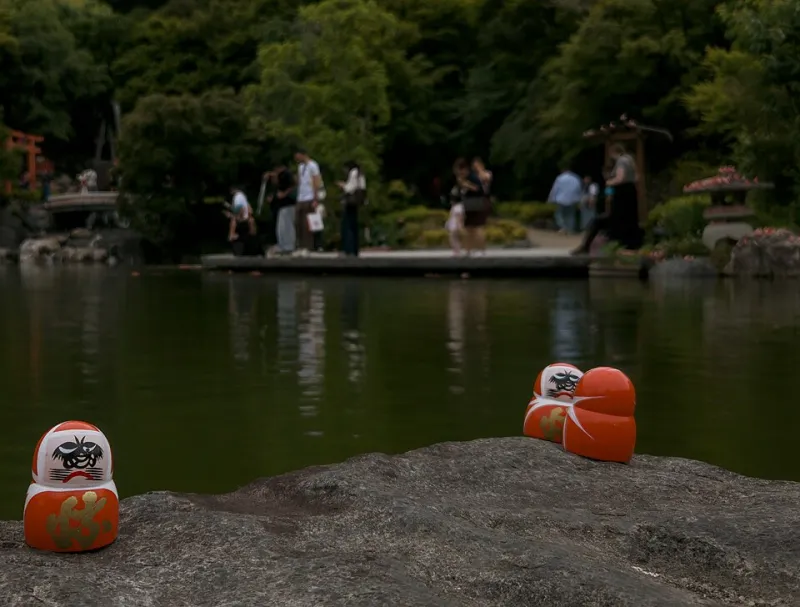
Japanese teahouses are not empty rooms. They are edited rooms. A low doorway makes you slow down; a single alcove decides where your eye lands; the garden is framed rather than fully revealed. Nothing is there by accident. That is a useful way to look at a UK casino site in 2026 — not as a test of whether the colours are pretty, but as an audit of whether the interface is deliberately calm or deliberately confusing.
At Maneki Casino, we spend a lot of time reading casino lobbies the way other people read menus. The teahouse test is our playful version of that habit. It borrows the Japanese idea of deliberate, uncluttered space and applies it to the bits of a UK casino site that affect real behaviour: deposits, bonuses, session breaks and the route to help.
How the paw scoring works
Nine clues, each scored from one to three paws. One paw means the signal is murky or missing; two means it is present but patchy; three means it is genuinely calm and clear. The maximum is 27 paws. A score of 21 or above is a good sign, 15 to 20 is a mixed report, and anything below 15 deserves a hard stare. This is not a lab test or a substitute for reading terms. It is a practical checklist you can run while making a cup of tea.
1. Deposit limits are visible before the first deposit
A calm site puts the controls where you can see them, not three menus deep. Look for a deposit-limit option in the cashier or account area before you add money, with clear daily, weekly or monthly choices. If the only visible number is a minimum deposit and the limits appear after you have already paid, that is a one-paw signal.
2. Wagering requirements sit beside the bonus
A bonus tile that says '£100 extra' but hides '35x wagering on selected games' in a PDF is not calm design. It is a treasure map with the treasure removed. A three-paw site shows the headline and the wagering requirement together, in plain English, before you opt in. You should be able to answer one simple question: what would I need to wager, and on which games?
3. Promotional language survives a sober second read
Read the promotion as if a friend had said it out loud. 'Deposit £10, play with £20' is fine if the conditions are clear. 'Unlock your lucky potential' is less useful. Honest promotional language does not need to be dull, but it should not make a conditional offer sound like a guaranteed win. In 2026, UK players are rightly wary of urgency dressed up as generosity.
4. Session breaks are one tap away
The teahouse test is not only about aesthetics. It is about exits. A calm interface makes a session break, reality check or time reminder easy to find and easy to set. If the only way to take a break is to close the tab and remember your password, the design is doing a different job from the one it claims.
5. The lobby has a quiet route out
Good navigation is not just about finding games. It is about leaving them. Look for a visible account menu, a clear log-out, and a help or safer-play section that does not feel like a maze. A site that makes the deposit button huge and the support link tiny has made an editorial choice. You are allowed to mark it down.
6. Urgency is honest or absent
Countdown timers, flashing 'last chance' banners and messages that follow you around the page are not automatically evil, but they should be truthful and rare. A calm site uses urgency sparingly and explains it. A site that tells you a bonus is about to expire every time you blink is not creating atmosphere; it is creating pressure.
7. Terms are readable on a phone
Most UK players will check a casino on a phone, often on a train or in a queue. If the terms are a wall of capitals, the design has failed a basic test. Three-paw terms are short enough to scan, broken into headings, and honest about the important bits: eligibility, wagering, expiry and maximum win. A magnifying glass should not be part of your gambling budget.
8. Colour and motion know when to stop
Playful Japanese-inspired visuals can be charming. Confetti, spinning coins and pulsing buttons can also be noise. The teahouse test asks whether the visual design supports the decision you are trying to make or scrambles it. Calm does not mean boring; it means the screen is not shouting over your own thoughts.
9. Help is findable without a hunt
The final clue is the one that matters most. Can you find deposit limits, time-outs, account closure information and links to support services such as GamCare or GamStop without leaving the main flow? A site that treats safer-play tools as a buried legal requirement is not calm. It is compliant on paper and careless in practice.
The final pour
Run the nine clues on any UK casino site in 2026 and you will learn more about its character than any welcome banner can tell you. A high paw score does not promise wins, and a low score is not a crime. It is simply a way to notice whether the interface is helping you stay in charge. At Maneki, that is the sort of luck we prefer: the quiet kind you can plan for.