Paw on the Ledger: Separating Charm from Chance in UK Casino Play
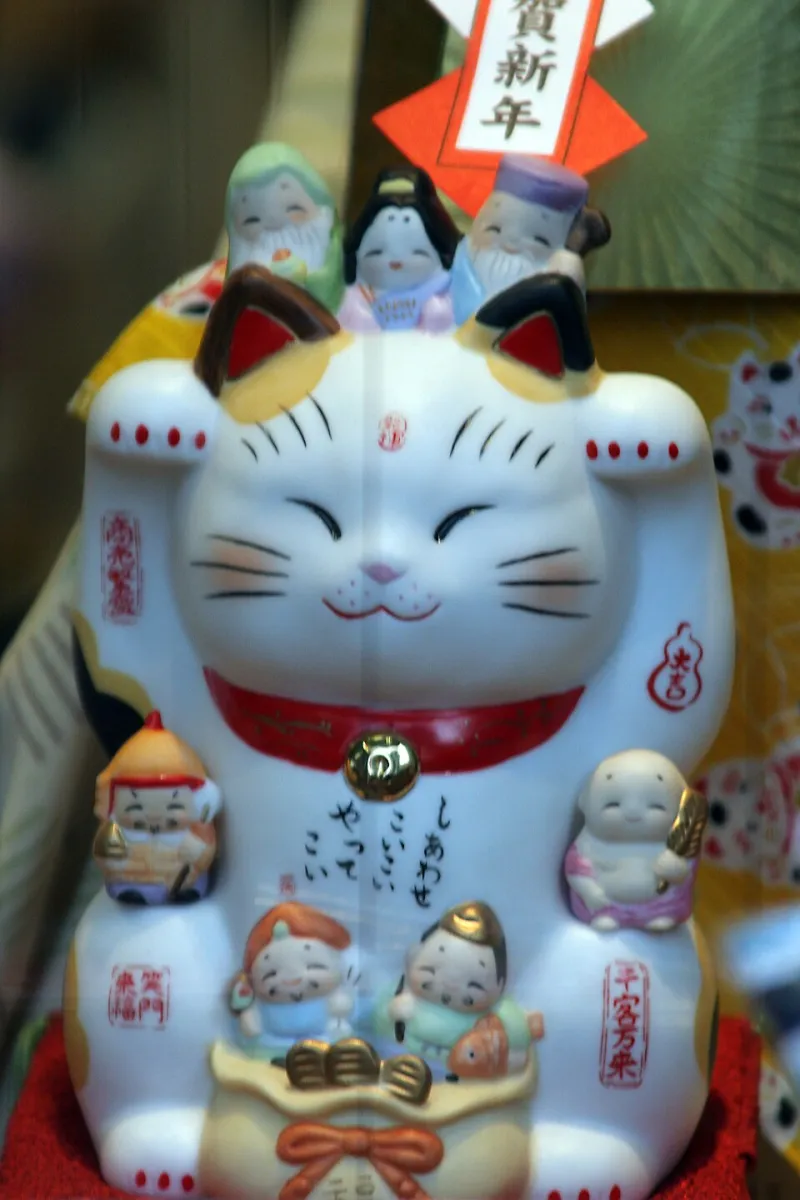
Photo: OiMax from Asakusa, Taito, Tokyo Japan, CC BY 2.0, via Wikimedia Commons
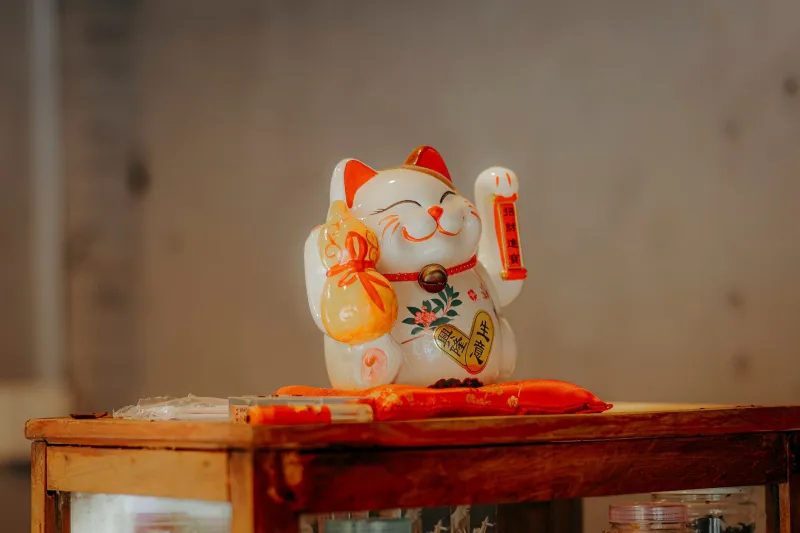
There is a reason the maneki-neko keeps turning up in casino branding. One raised paw, a steady gaze, a little flash of gold — it is a friendly symbol with a long history, and it asks nothing of you except that you notice it. At Maneki Casino, that cat is part of the furniture. But furniture is all it should be. The moment a ornament starts making decisions for you, the charm has wandered out of its lane.
Luck literacy is not about being a killjoy. It is about knowing which parts of a casino session are yours to shape and which parts are simply outside anyone’s control. In the UK, where a rainy Tuesday can turn into a spontaneous seaside arcade visit or a quiet hour on a regulated casino site, that distinction is worth keeping close. The cat can stay on the counter. The staking plan belongs in your hands.
The Cat Is a Mood, Not a Meter
Maneki-neko translates roughly as “beckoning cat,” and its history runs through Japanese shopfronts, temples and household shelves. Different paws, colours and accessories carry different folk meanings. None of those meanings include “this next spin is due.” That is not a criticism of the tradition. It is simply the honest boundary between folklore and mathematics.
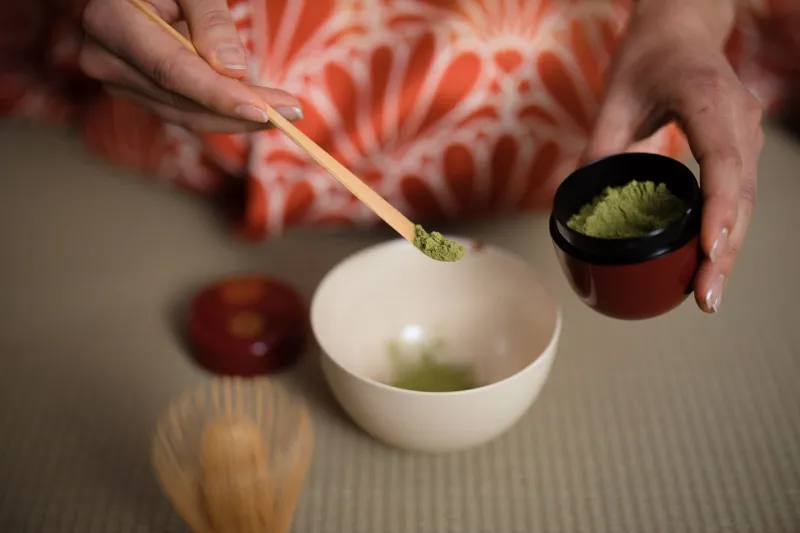
A lucky ritual can do something real, though. It can mark the start of a session, slow you down for a second, and give the evening a bit of shape. Lighting a candle, making tea, straightening the desk, tapping the cat’s paw — these are ceremony, not strategy. They work on your mood. They do not work on the odds.
That is the first piece of luck literacy: let symbols do their emotional job without asking them to do a financial one.
What a Lucky Ritual Can Honestly Do
A charm or routine can help you transition into and out of play. It can act as a cue that says “I am choosing to begin” or “I am choosing to stop.” It can make a session feel less automatic and more deliberate. It can even be a small pleasure in its own right — the same way a favourite mug makes a cup of tea taste better without changing the tea.
What it cannot do is change the house edge, improve a slot’s return-to-player percentage, or make a roulette wheel remember its last result. UK-licensed casino games are built around independent outcomes. A machine that has been quiet for ten minutes is not “warming up.” A table that has paid out twice is not “on a run.” Those stories are entertaining, but they are stories.
Where luck rituals become genuinely useful is when they support safer play. If your pre-session ritual includes checking your balance, setting a time limit and deciding a stop point, the charm is now attached to a sensible habit. If the ritual replaces those checks — if you skip the budget because the cat looks lucky — you have handed the paw a job it was never designed to do.
Where Superstition Starts to Cost Money
The tricky part is that superstition rarely announces itself. It creeps in as a small exception: one extra spin because the number 7 appeared twice, a bigger stake because a black cat crossed the pavement, a longer session because you wore your “lucky” socks. Each moment feels harmless. Stacked together, they can turn a planned £20 evening into something you did not intend.
For UK players, the useful test is not whether a belief is silly. Plenty of sensible people have lucky numbers. The test is whether the belief is touching the money. If a symbol changes how much you stake, how long you stay, or whether you chase a loss, it has crossed from decoration into decision-making. That is the point to pull it back.
It helps to separate two columns in your head. The charm column is allowed to contain cats, coins, colours, songs, socks and whatever else makes you smile. The money column contains your budget, your deposit limit, your time check and your exit point. The columns can sit side by side. They should not swap places.
A Short Luck-Literacy Checklist
Before you open a casino lobby, run through a few plain questions. They take less time than making a cup of tea.
- Is this charm fun or is it steering me? If the answer is “steering,” put it back in the fun column.
- Did I choose this stake before I looked at the game? A stake chosen after a “sign” is usually a reaction, not a plan.
- Is my budget set in pounds, not in feelings? Use a number you can afford to lose without changing your week.
- Have I set a time check? A phone alarm is less romantic than a lucky cat, but it is considerably more reliable.
- Do I know what would make me stop? Decide in advance whether it is a loss limit, a time limit or simply feeling tired.
- Am I using luck to explain a result I did not like? “Unlucky” is fine as a shrug. It is not a reason to deposit again.
- Would I be comfortable if someone watched this session? Not as a shame test — just as a clarity test.
That checklist is not anti-fun. It is pro-agency. It keeps the playful part playful and the practical part practical.
One Question Before the First Spin
If you want a single line to carry into 2026, try this: “If this charm did nothing at all, would I still be comfortable with this stake and this stop point?”
It is a quietly powerful question. If the answer is yes, the cat can stay where it is and the session can begin on your terms. If the answer is no, the charm has become a prop for a decision you have not really made. That is the moment to pause, not push.
Keeping the Paw in Perspective
The maneki-neko is a welcoming figure. It belongs at the door, not on the balance sheet. Treat it as a bit of theatre, a mood-setter, a reminder to be deliberate — and then let the numbers do the numbers.
Luck literacy is not about refusing to enjoy a ritual. It is about knowing that the raised paw is a gesture, not a guarantee. In a UK casino session, the useful magic is much less mysterious: a budget you can live with, a clock you actually check, and an exit you are willing to take. The cat can watch. You do the steering.