Small Plates, Steady Hands: Choosing UK Casino Games by Pace, Not Jackpot
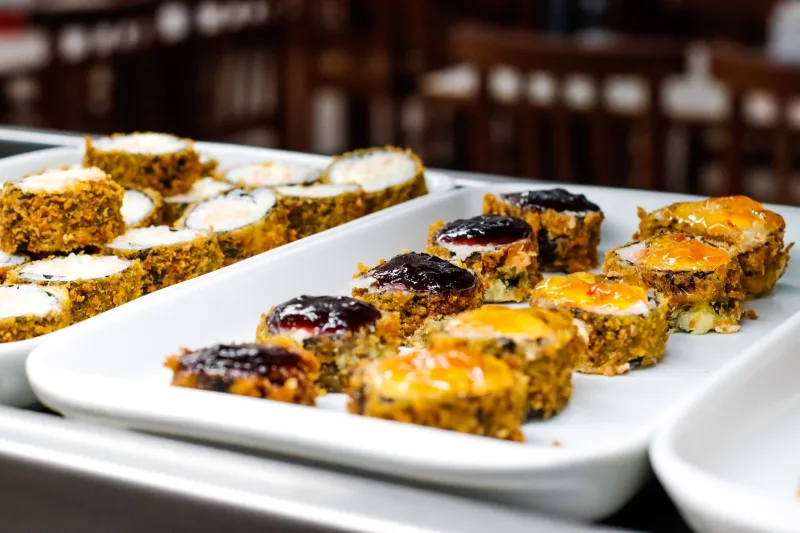
At a conveyor-belt sushi place, nobody orders by the biggest number on the menu. You watch the belt, pick a colour that suits your appetite, and stop when you are full. The casino lobby works in a similar way, except the belt is louder, the plates flash, and someone has pinned a jackpot figure to the wasabi.
That is the sushi-belt rule in one line: choose by pace, not by the largest number in sight. It will not tell you which game is going to pay. Nothing can. What it will do is help you pick something that fits the time, attention and budget you actually have — which is a far more useful thing to know before you press play.
The belt is a better teacher than the banner
Jackpot banners sell a fantasy of one enormous plate. They are designed to catch the eye, not to help you plan an evening. The trouble is that a giant number says nothing about how a game feels to play. A slow live table and a turbo slot can both sit under the same promotional spotlight, yet they ask completely different things of your attention and your wallet.
At Maneki Casino, the lucky cat is a mascot, not a promise. Lucky paws and proper guides are one thing; pretending a game can be judged by its headline figure is another. So instead of asking what a game might pay, ask how it moves. That is the question the belt has been answering all along.
Three dials worth checking before you choose
Pace is not just speed. It is a mix of three things, and each one changes how a session feels.
Tempo is how often something happens. A slot spin might resolve in a couple of seconds. A live roulette round takes longer, with betting time, a spin and a result. An instant-win style game can be over almost before you have settled into your chair.
Attention cost is how much of you the game wants. Live dealer tables tend to ask for a bit more focus, especially if you are following the chat or tracking a shoe. Standard video slots sit somewhere in the middle. Rapid games can be almost reflex-based, which sounds easy but is precisely why they can eat through a session without you noticing.
Stopping points are the natural pauses a game offers. A live table gives you a gap between hands. A slot bonus round has an end. A fast instant-win game may have no obvious seam at all, which makes it harder to step away.
Mapping the plates: a simple pace scale
Think of the lobby as a belt with three rough speeds. None is inherently better. They just suit different moments.
Slow plates: live tables and gentler slots
Live roulette, baccarat and slower-paced table games are the nigiri of the casino world: considered, steady, and better with a bit of time. The gaps between decisions give you room to think. That can be ideal on a quiet evening when you want to be occupied rather than swept along. It can also be less suitable if you only have fifteen minutes and want a quick burst of entertainment.
Some slots also sit at the slower end, particularly those with longer animations, lower-intensity base games or features that take a while to unfold. The label on the game matters less than how it actually feels when you play it.
Medium plates: standard video slots
Most modern video slots are the conveyor-belt staples: familiar, easy to pick up, and paced around a regular spin button. You can play at a comfortable rhythm, take a pause when you need one, and usually see where the session is going. This is the middle of the belt for good reason. It suits a wide range of moods without demanding a huge amount of concentration.
Fast plates: instant wins and rapid-fire games
Instant-win games, crash-style titles and very fast slots are the wasabi of the belt. A small amount can be fun. A plateful is a different experience entirely. These games resolve quickly, which means more outcomes per minute and more chances to make a quick decision you have not really thought through. They are not villains, but they are poor company if your budget is small or your evening is already running at a hundred miles an hour.
The £10 plate test
Here is a simple way to check the pace against your pocket. Imagine your session budget is £10. On a slower game with a modest stake, that tenner might stretch across a decent stretch of play. On a rapid game with the same stake, it can disappear in a matter of minutes. That is not a reason to avoid fast games altogether; it is a reason to choose them deliberately rather than by accident.
A useful habit is to decide your stake per spin or per hand before you open the game, not after. If a game only feels comfortable when you are clicking quickly, that is worth noticing.
Questions to ask before you press play
- How long have I actually got? Twenty minutes and two hours call for different plates.
- How often do I want to make a decision? Every few seconds, every minute, or somewhere in between?
- Am I playing to switch off or to be occupied? Fast games can numb; slow games can engage. Neither is wrong, but the mismatch is what catches people out.
- What does my stake cost per round? Check the stake, not just the game title.
- Where is my natural pause? If you cannot find one, set a timer or use the site tools.
- Have I set my limits? UK-licensed sites offer deposit limits, reality checks and time-outs. Use them before the belt starts moving.
When the belt speeds up
Autoplay, turbo modes and bonus features can all shift a game into a faster gear. Sometimes that is fine. Sometimes it is the moment a relaxed session turns into a blur. If you notice yourself chasing the next round rather than enjoying the current one, that is the signal to step away. The lucky paw is there to remind you that a pause is part of the game, not an interruption to it.
Safer play, without the lecture
Choosing by pace is a safer-play habit because it starts with reality: your time, your attention and your budget. It is not about avoiding fun. It is about matching the game to the evening you actually have. In the UK, you can also lean on the tools that come with licensed sites — deposit limits, session reminders and self-exclusion schemes such as GamStop. If gambling stops feeling like entertainment, take a break and talk to a service like GamCare.
You are 18 or over, and the belt will still be there tomorrow. Pick a plate that suits your appetite, not the one with the loudest number. That is the whole rule.