Stamp Before You Tap: A Deliberate Checkpoint for UK Casino Bonus Opt-Ins
Bonus prompts have a way of arriving at exactly the wrong moment. You are halfway through a session, the kettle has just gone on, and a banner offers extra funds, free spins or a deposit match. The button is right there. It is small, bright and designed to be tapped. That is precisely why a pause is useful.
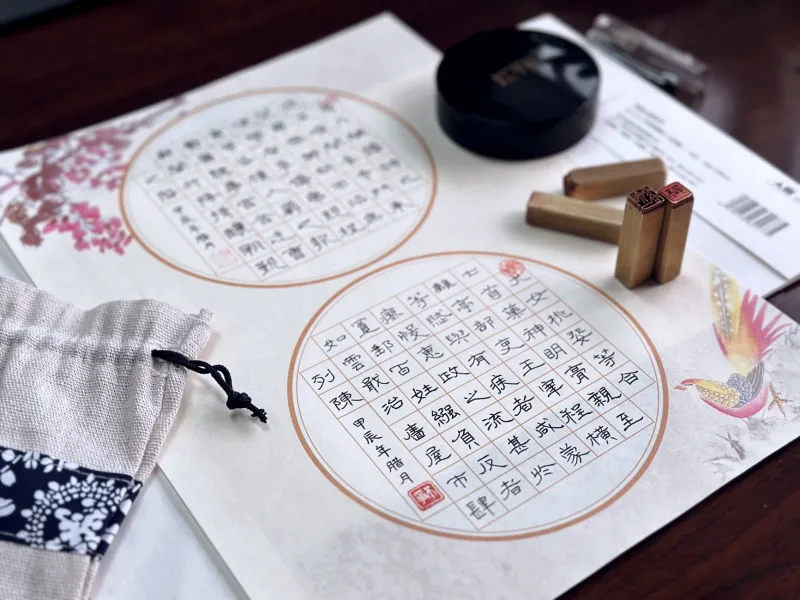
Japanese hanko seals offer an unlikely but practical model. A hanko is a small personal stamp, often pressed into red ink, used in place of a signature. It is not grand. It is not loud. But it is deliberate. The seal is taken out, positioned and pressed. The act marks agreement, authorisation or receipt. It is hard to do by accident.
For UK casino players, that is the useful part. A bonus opt-in should feel less like swatting away a notification and more like pressing a seal: conscious, considered and easy to withhold.
The problem with a one-tap yes
Online casino bonuses are built for speed. A welcome offer may sit beside a deposit box. A reload prompt may appear after a spin. A cashback message may land while you are checking your balance. None of this is automatically bad, but speed favours the house’s terms, not your understanding of them.
UK-licensed casinos are required to present key bonus terms clearly, and many do. Even so, a term can be visible and still be unread. Wagering requirements, game weighting, maximum bet rules, expiry dates and withdrawal limits all matter. If you accept without looking, you have not really chosen the bonus. You have merely clicked past it.
A hanko-style pause does not make you suspicious of every offer. It simply gives the offer a moment of ceremony. You are not saying no. You are saying not yet.
What the hanko gets right
The hanko is a lovely object because it is both personal and procedural. It belongs to one person, but it follows a ritual. You do not scribble it. You do not rush it. You press it where it belongs.
That is a better mental image for bonus acceptance than a glowing button. Imagine a small red stamp beside the opt-in. No stamp, no acceptance. The stamp is not legal, of course. It is a private circuit breaker, a bit of theatre with a practical job.
Maneki’s lucky paw is not a substitute for reading the terms. The paw waves; it does not read the small print for you. The hanko pause is the part where you do that reading, quickly and on purpose.
The one-stamp rule
The rule is straightforward: before you tap any bonus opt-in, you must complete one deliberate stamp moment. That can be physical or digital. The form matters less than the repetition.
A physical version is pleasingly tactile. Keep a small card near your laptop or phone. Draw four boxes on it: offer, terms, time, fit. When a bonus appears, fill in the boxes with a pen before you tap. Then press a cheap rubber stamp, draw a paw print, or simply write the date. The act of marking the card is the pause.
A digital version is quicker. Create a note on your phone called Bonus Stamp. Before opting in, type four short lines: what the bonus is, what it requires, when it expires, and whether it fits today’s plan. Add the time. If you cannot fill in those lines, you do not have enough information to say yes.
Four lines worth pressing
The first line is the offer itself. Is it a deposit match, free spins, a cashback deal or something else? What do you need to put in to activate it? A bonus that asks for a larger deposit than you planned is not a bonus. It is a change of plan wearing a party hat.
Read the unlock, not just the gift
The second line is the unlock. Look for the wagering requirement, the games that count towards it, the maximum bet allowed while the bonus is active, and any withdrawal restrictions. In the UK, these details should be easy to find, but easy to find is not the same as already understood. If you cannot explain the unlock in one sentence to a friend, do not stamp it yet.
Put an expiry on the fridge
The third line is time. Bonuses expire. Some expire in days; some in weeks. Some free spins vanish faster than a seasonal promotion. A bonus that demands more play than your week allows is not a kindness. It is a timetable you did not agree to. Write the expiry down. Put it where you will see it, or set a reminder. If the date makes you feel rushed before you have even started, that is useful information.
Ask whether it fits the night you planned
The fourth line is fit. Does the bonus suit the session you had in mind, or does it rewrite it? If you planned a short, low-stakes evening, a large deposit match may pull you somewhere else. If you have set a budget, a bonus should not become a reason to top it up. A bonus is optional. That sentence is worth repeating: a bonus is optional.
Make the stamp visible
A ritual works best when it leaves a mark. Save a screenshot of the bonus terms before you opt in. Note the expiry in your phone. If the casino allows it, check the bonus balance and any pending wagering after acceptance. Keep the stamp card somewhere you will see it next time.
The point is not admin for its own sake. The point is to create a small trail of evidence that you made a choice. If a bonus later causes confusion, that trail helps you check what you actually agreed to. It also makes the next opt-in easier to judge.
When to withhold the stamp
Some prompts deserve a clean no. If the terms are unclear, if the wagering requirement is far beyond your usual play, if the expiry is very short, or if the bonus only works with a larger deposit than you intended, leave the stamp in the drawer. You can always come back. There is no prize for collecting every offer.
It is also fine to withhold the stamp because of how you feel. If you are chasing a loss, playing faster than planned, or ignoring a session limit you set earlier, a bonus will not steady that. A pause is cheaper than a deposit. Close the prompt and take five minutes away from the screen.
A small ceremony, not a big barrier
The hanko pause is not meant to make casino bonuses feel heavy or forbidding. It is meant to give them a shape. A bonus should be a considered extra, not a current that pulls you along. The one-stamp rule adds a little friction in the right place: between the offer and the yes.
Keep the card small. Keep the pause short. Read the unlock, note the date, check the fit. Then press your stamp, or don’t. Either way, the choice is yours. That is the whole point of the ritual.