No Pound Signs, Just Paw Prints: The 2026 UK Casino Journal for Small Wins
Most casino journals start with the best of intentions and end up as a spreadsheet with feelings. You write down what went in, what came out, and before long the page is less of a diary and more of a scoreboard. That is precisely the sort of scoreboard that can nudge a perfectly calm evening towards a chase.
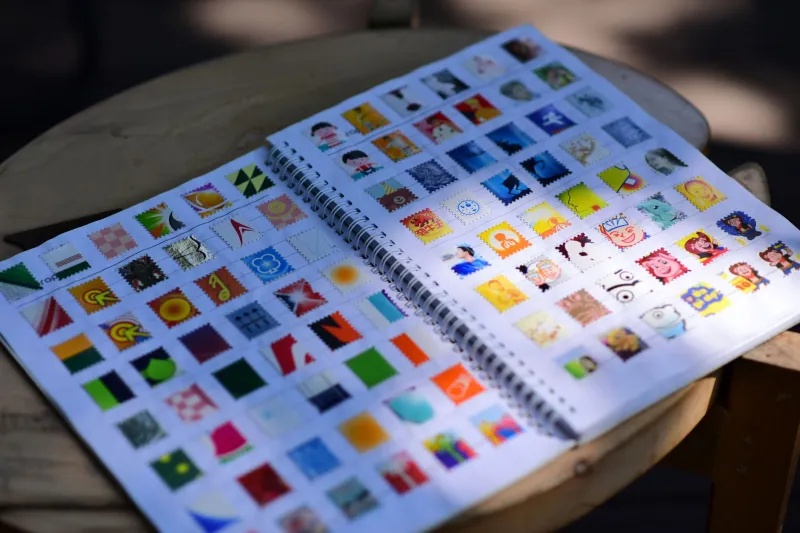
So here is a different idea for 2026, borrowed from something much older and far less numerical: the Japanese goshuin book. A goshuin is a stamp collected at a shrine or temple — a record of a visit, not a measure of devotion. The book fills with ink, dates and small marks. Nobody adds up the stamps and declares a winner. You just have a quiet history of where you went and what you noticed.
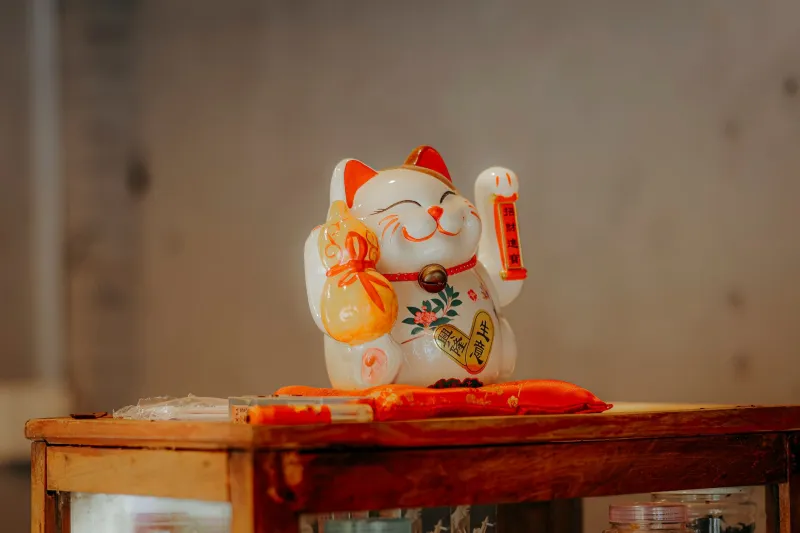
At Maneki Casino, we like that energy. A lucky paw is a cheerful thing, but it should not become a tally you feel obliged to beat. This article is about keeping a UK casino journal that deliberately ignores money and records the things that actually help you stay in control: intentions, breaks, exits and the odd moment of atmosphere.
Why a money-free page changes the session
Chasing rarely begins with a spreadsheet. It begins with a story that feels unfinished. One more spin, one more hand, one more tenner — because the numbers have not resolved themselves in the way you wanted. When a journal is built around those numbers, it keeps the unfinished story alive after you leave. The page becomes a place to replay the argument.
A non-financial journal interrupts that loop. It records choices instead of outcomes. You are not asking whether the session was up or down; you are asking whether you set an intention, took the break you planned, and left when you said you would. Those are things you can actually control, and writing them down gives the evening a different kind of ending.
It is not a magic trick, and it is not a substitute for proper safer-play tools. But it is a useful ritual. In the same way a goshuin book marks a visit rather than rating it, a paw-marked page can mark a session without turning it into a verdict.
What counts as a small win
Small wins are not cash amounts dressed up in nicer language. They are the tiny decisions that keep a UK casino session on rails.
- Setting a clear intention before you open a lobby.
- Noticing the first moment you feel rushed or tilted, and pausing.
- Taking the break you promised yourself, even if it was only five minutes away from the screen.
- Honouring an exit time or a spending limit without negotiating with yourself.
- Choosing a game because its pace suits you, not because the jackpot graphic looked exciting.
- Noticing something atmospheric — the music, the chat, the fact that you are actually thirsty — and letting that pull you back into the room.
None of these need a pound sign next to them. They are the quiet equivalents of a stamp in a shrine book: small, specific, and enough.
A simple page template
You do not need a leather-bound journal or a fountain pen. A cheap notebook, a notes app, or a single page per session will do. The template can be as short as this:
Date:
Intention for this session:
First pause I noticed:
Break taken: yes / no / not needed
Exit honoured: yes / no / changed plan
One thing I noticed:
Paw mark: one stamp, one paw, one small doodle
That is the whole thing. No deposits, no withdrawals, no win-loss column. If you want a little more structure, add a line for what I would do differently next time — but keep it kind. This is a diary, not a detention slip.
The stamp, not the score
The Maneki-style paw mark is the bit that makes the habit stick. It is tactile, slightly silly, and much more appealing than a row of tick boxes. A stamp says: this happened, and I was here for it. It does not say: you are three paws away from a perfect month.
That distinction matters. The moment a paw mark becomes a streak, it becomes another thing to chase. You start stamping sessions you barely remember just to keep the run going, and the journal quietly turns into the scorecard you were trying to avoid. Keep the mark honest and occasional. One paw for a session where you paid attention is plenty. No paw is also fine. The book is not judging you.
You can use a cheap self-inking stamp, a sticker, or a biro drawing of a paw with three slightly wonky toes. The wonkiness is part of the charm. A perfect stamp collection is not the goal; a useful record of your own behaviour is.
How to keep it from becoming another scorecard
A few guardrails help. First, never write cash amounts in this particular book. If you want to track spending, use a separate budget tool and keep it boring and factual. Mixing the two turns the journal back into a ledger.
Second, do not compare pages. Some sessions will have three marks and a thoughtful note; others will have a date and a paw. Both are valid. Third, allow blank days. A journal that punishes you for not using it is not a calming ritual; it is homework.
Finally, review it gently once a week. Ask three questions: where did I pause, when did I leave, and what did I notice? If a pattern jumps out — always rushing the last ten minutes, always skipping breaks after a loss — treat that as useful information, not a character flaw. Then adjust the plan, not the past.
In 2026, there are enough numbers in casino play. Your journal can be the one place where the only tally is a paw print and a line about remembering to breathe. Keep it small, keep it private, and let it be a record of visits rather than a running total. That is a lucky cat habit worth keeping.